
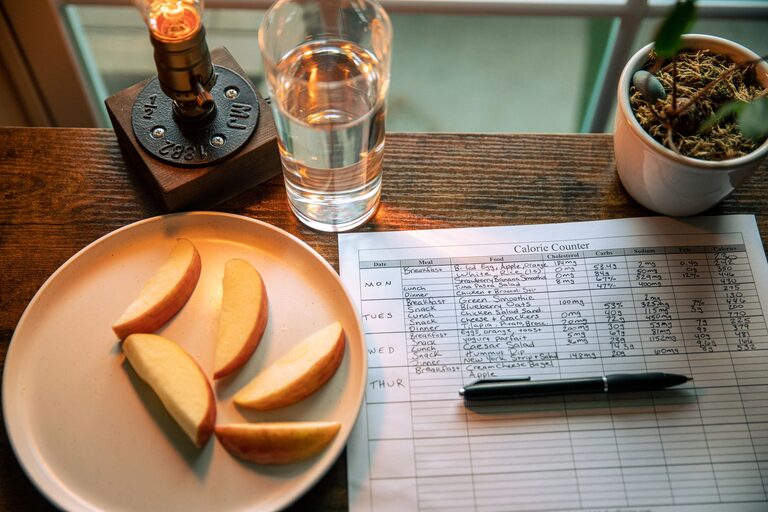
Planning balanced meals doesn’t have to be complicated or stressful. With a few simple strategies and a bit of organization, you can create meals that are not only nutritious but also enjoyable and easy to prepare. Whether you’re cooking for yourself, your family, or just want to improve your eating habits, this guide will help you plan balanced meals without feeling overwhelmed.
What Is a Balanced Meal?
Before diving into meal planning, it’s important to understand what makes a meal balanced. A balanced meal typically includes:
– Protein: Helps build and repair tissues (e.g., chicken, beans, tofu, fish)
– Carbohydrates: Provide energy, ideally from whole grains, fruits, and vegetables
– Healthy Fats: Support brain function and cell health (e.g., olive oil, nuts, avocados)
– Fiber: Aids digestion and keeps you full (found in fruits, vegetables, whole grains)
– Vitamins and Minerals: Essential for overall health, often obtained from a variety of colorful veggies and fruits
The goal is to include a variety of these components in each meal to ensure your body gets what it needs.
Steps to Plan Balanced Meals Without Stress
1. Start With a Simple Meal Template
Having a basic template for your meals can take a lot of guesswork out of planning. For example:
– Half your plate: Vegetables and fruits
– One quarter: Protein
– One quarter: Whole grains or starchy vegetables
– Add a small amount: Healthy fats
This simple visual guide can help you quickly assemble meals that are balanced and satisfying.
2. Plan Your Meals Weekly
Setting aside 15–30 minutes each week to plan your meals can make the cooking process smoother. Here’s how:
– Choose 3–4 main dishes: Think recipes that can be made in bulk or repurposed.
– Mix and match sides: Pair proteins with different veggies and grains.
– Include easy options: Keep some quick meals on hand like salads or sandwiches for busy days.
Writing your plan on a calendar or a meal planning app can keep you organized and reduce daily decision fatigue.
3. Keep a Well-Stocked Pantry and Fridge
Having staple ingredients ready makes it easier to prepare balanced meals quickly. Consider keeping:
– Whole grains (brown rice, quinoa, whole wheat pasta)
– Canned beans and lentils
– Frozen vegetables and fruits
– Healthy oils (olive oil, avocado oil)
– Nuts and seeds
– Fresh vegetables and fruits that last (carrots, apples, leafy greens)
When you have these essentials on hand, you can mix and match without needing to run to the store constantly.
4. Batch Cook When Possible
Batch cooking helps you save time and reduces stress during busy weekdays. Here are a few tips:
– Prepare large portions of grains, proteins, or roasted veggies at once.
– Store meals or meal components in containers to combine later.
– Use leftovers creatively (e.g., turn roasted chicken into a salad or wrap).
This strategy ensures you always have balanced ingredients ready to go.
5. Focus on Variety and Color
Eating a range of foods not only provides better nutrition but also keeps meals interesting. Aim for:
– Different colored vegetables and fruits each day
– Various protein sources throughout the week (plant-based and animal-based)
– Different cooking methods (steamed, roasted, grilled, raw)
This variety helps cover different nutrient needs and makes meals more enjoyable.
6. Make It Fun and Personal
Meal planning and cooking don’t have to feel like chores. Try to:
– Involve family or friends in choosing meals
– Experiment with new recipes or spices
– Adjust meals to your tastes and preferences
When you enjoy the process, you’re more likely to stick with balanced meal planning.
Sample Balanced Meal Ideas
Breakfast
– Greek yogurt with berries, nuts, and a drizzle of honey
– Scrambled eggs with spinach and whole-grain toast
– Oatmeal topped with sliced bananas and chia seeds
Lunch
– Quinoa salad with chickpeas, cucumbers, tomatoes, and feta cheese
– Turkey and avocado wrap with mixed greens and a side of fruit
– Lentil soup with a side of whole-grain bread and carrot sticks
Dinner
– Grilled salmon with roasted sweet potatoes and steamed broccoli
– Stir-fried tofu with mixed vegetables and brown rice
– Chicken fajitas with bell peppers, onions, and whole wheat tortillas
Tips to Maintain a Balanced Meal Plan
– Listen to your hunger and fullness cues: Eat when hungry, stop when satisfied.
– Stay hydrated: Drinking water supports digestion and overall health.
– Be flexible: It’s okay if plans change or you eat out sometimes.
– Keep learning: Explore new foods and recipes to expand your options.
– Use leftover ingredients: Minimize waste and save money by incorporating leftovers into new meals.
Final Thoughts
Planning balanced meals doesn’t have to be a source of stress. With a simple plan, a stocked kitchen, and some basic knowledge about nutrition, you can create meals that support your health and fit your lifestyle. Start small, stay consistent, and enjoy the process of nourishing your body with tasty, balanced food.