
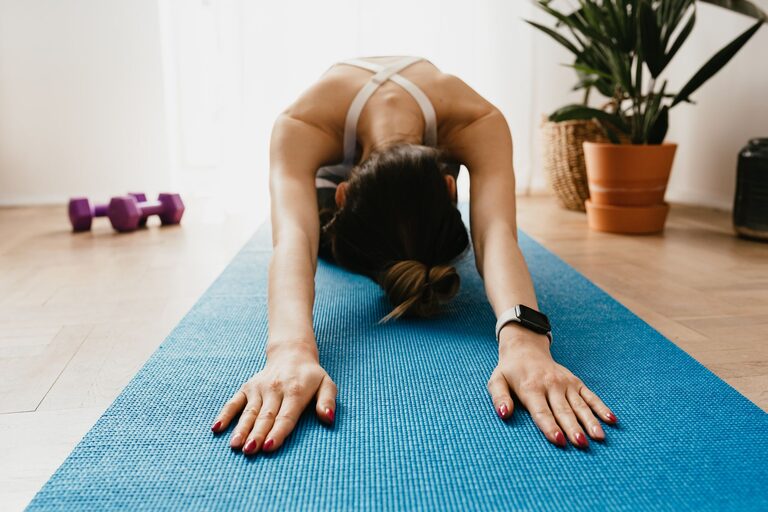
Stretching is a simple yet powerful way to improve your body’s flexibility, reduce muscle tension, and enhance overall well-being. You don’t need a gym membership or special equipment to get started—just a bit of time and a comfortable space at home. This beginner’s guide will walk you through the basics of stretching safely and effectively, helping you build a routine that suits your lifestyle.
Why Stretching Matters
Many people overlook stretching, but it plays an important role in maintaining healthy muscles and joints. Regular stretching can help:
– Increase your range of motion
– Improve circulation
– Reduce muscle stiffness and soreness
– Enhance posture and balance
– Relieve stress and promote relaxation
Whether you’re active or mostly sedentary, incorporating stretching into your daily routine can offer these benefits and support your overall health.
Getting Started: What You Need
One of the best things about stretching at home is that it requires minimal gear. Here’s what you’ll need:
– Comfortable clothes: Wear loose or stretchy clothing that allows free movement.
– A quiet space: Find a spot where you can stretch without distractions.
– A yoga mat or soft surface: This provides cushioning for floor stretches and prevents slipping.
– Water bottle: Staying hydrated helps your muscles perform better.
Optional items like a strap, towel, or foam roller can assist with certain stretches but aren’t necessary for beginners.
Basic Guidelines for Safe Stretching
Before you begin, keep these tips in mind to avoid injury and get the most from your practice:
- **Warm up first:** Stretching cold muscles can cause strains. Do 5–10 minutes of light activity like walking or marching in place.
- **Stretch gently:** Move into each stretch slowly until you feel mild tension—not pain.
- **Hold and breathe:** Hold stretches for 15–30 seconds while breathing evenly.
- **Avoid bouncing:** Stretch smoothly without jerky movements.
- **Listen to your body:** If a stretch feels uncomfortable or painful, ease up or try a different one.
- **Stretch both sides:** Maintain balance by working both sides of your body equally.
Beginner-Friendly Stretches to Try at Home
Here are some beginner stretches that target key muscle groups. Perform each stretch 1–2 times per session, focusing on smooth movement and comfortable holds.
1. Neck Stretch
– Sit or stand tall.
– Slowly tilt your head to the right, bringing your ear toward your shoulder.
– Hold for 20 seconds, feeling a gentle stretch along the left side of your neck.
– Repeat on the left side.
2. Shoulder Rolls
– Stand or sit with your back straight.
– Roll your shoulders forward in a circular motion five times.
– Then roll them backward five times.
– This helps relieve tension and warms up your shoulder muscles.
3. Chest Opener
– Stand tall and clasp your hands behind your back.
– Gently straighten your arms and lift your chest.
– Hold for 20–30 seconds to stretch your chest and front shoulders.
4. Seated Forward Bend
– Sit on the floor with your legs extended straight ahead.
– Inhale and lengthen your spine.
– Exhale and hinge at your hips to lean forward toward your toes.
– Reach as far as comfortable without rounding your back.
– Hold for 20–30 seconds to stretch your hamstrings and lower back.
5. Cat-Cow Stretch
– Start on your hands and knees in a tabletop position.
– Inhale, arch your back, and lift your head and tailbone (Cow).
– Exhale, round your spine, tucking your chin and tailbone (Cat).
– Repeat this flow 5–10 times to increase spine flexibility.
6. Standing Quadriceps Stretch
– Stand next to a wall or chair for support.
– Bend your right knee and grasp your ankle with your right hand.
– Keep your knees close and push your hips forward slightly.
– Hold for 20 seconds, then switch legs.
– This stretch targets the front of your thighs.
7. Child’s Pose
– Kneel on the floor with your big toes touching and knees apart.
– Sit back on your heels and reach your arms forward, resting your forehead on the floor.
– Hold for 30 seconds or longer to relax your back and hips.
Creating a Stretching Routine
To make stretching a habit, aim to practice 3–5 times a week. Here’s a simple way to structure your routine:
- **Warm-up:** 5 minutes of light movement.
- **Stretching:** Perform 5–7 stretches covering your neck, shoulders, chest, back, hips, and legs.
- **Cool down:** Finish with deep breathing or a relaxing pose like Child’s Pose.
Consistency is key. Even spending 10 minutes a day stretching can bring noticeable improvements over time.
Tips for Staying Motivated
– Set a schedule: Stretch at the same time daily, like after waking or before bed.
– Use reminders: Place sticky notes or set phone alarms.
– Combine activities: Stretch while watching TV or listening to music.
– Track progress: Notice how your flexibility improves to stay encouraged.
– Invite family or friends: Stretching together can be fun and supportive.
When to Consult a Professional
If you have existing injuries, chronic pain, or health conditions, it’s best to check with a healthcare professional before starting a new stretching routine. They can recommend safe modifications tailored to your needs.
Final Thoughts
Stretching at home is a simple, accessible way to take better care of your body. By starting slow, following basic guidelines, and choosing stretches suited to your comfort level, you’ll build flexibility, reduce stiffness, and feel more relaxed. With regular practice, stretching can become an enjoyable part of your daily wellness routine.
Give it a try today—you might be surprised at how much better your body feels!